Moissanite vs. Diamond: How Do They Compare on the 4Cs?

Moissanite vs. Diamond: The Ultimate 4Cs Comparison Guide for Smart Shoppers

Curious about the difference between Moissanite and Diamond? We break down the 4Cs—Cut, Color, Clarity, and Carat—to help you decide which gemstone offers the best sparkle and value for your engagement ring.

Moissanite vs. Diamond: How Do They Compare on the 4Cs?

When shopping for an engagement ring, you’ve likely heard of the “4Cs”—the universal standard for grading diamonds created by the GIA. But how does Moissanite, the world’s most brilliant gemstone, stack up against the traditional diamond using these same metrics?

The answer might surprise you. In many cases, Moissanite doesn’t just match diamond standards; it exceeds them. Let’s dive into the Cut, Color, Clarity, and Carat differences.

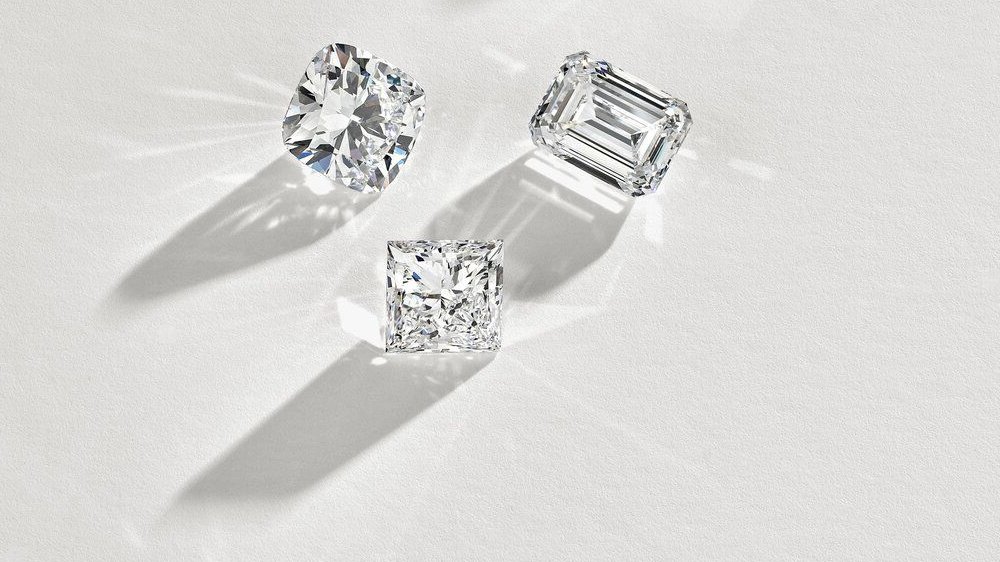
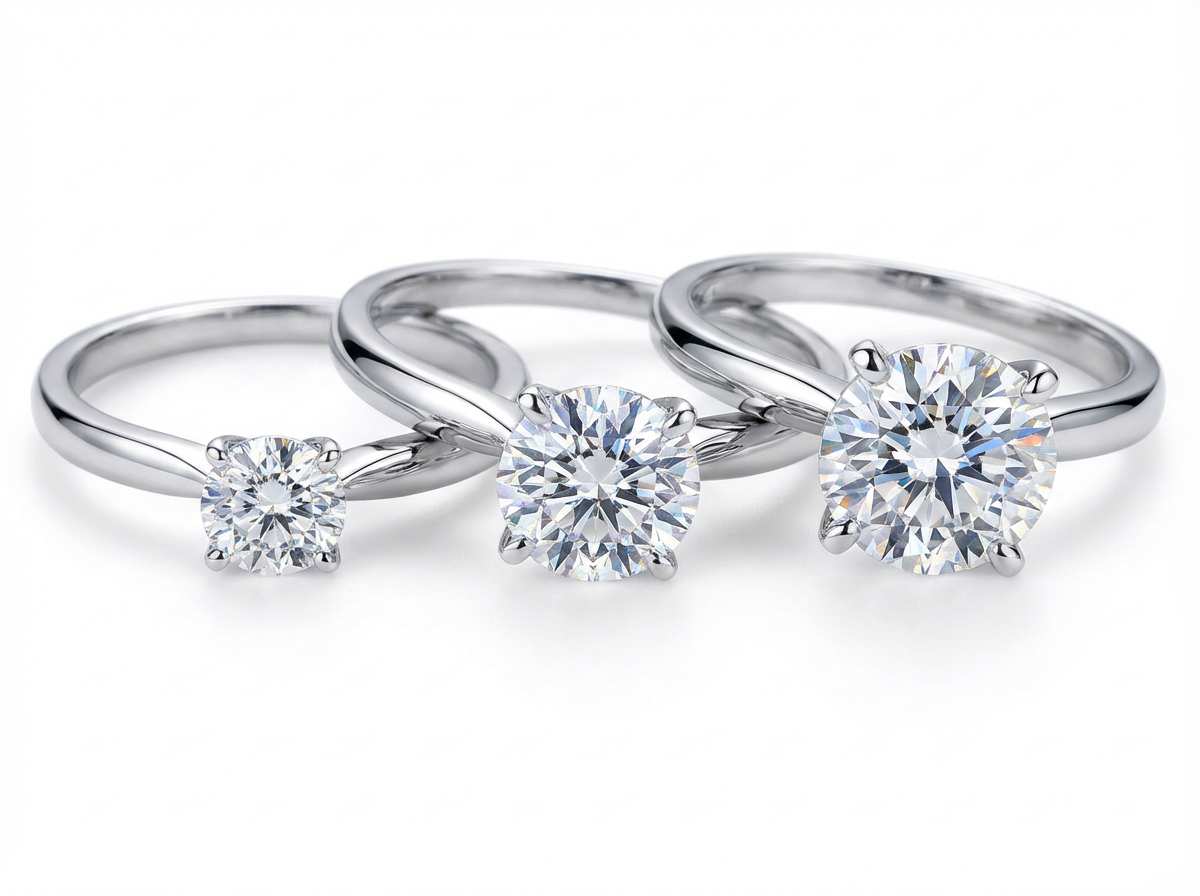
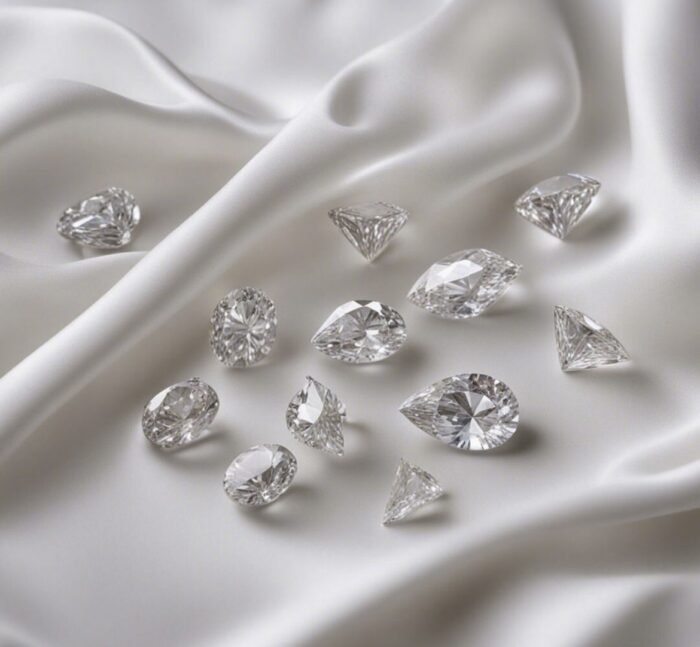
Three sparkling diamonds on surface.

Carat—Size vs. Weight


Clarity measures the internal imperfections, known as inclusions.

  • Diamond: Since diamonds are mined from the earth, most have natural inclusions. Flawless (FL) or Internally Flawless (IF) diamonds are incredibly rare and cost a fortune.

  • Moissanite: Because Moissanite is lab-grown in controlled environments, we have control over its quality.

  • The Advantage: Most Moissanite on the market falls into the VVS1 to VVS2 range (Very, Very Slightly Included). This means they are eye-clean and virtually flawless, offering a clarity that would cost thousands of dollars in a natural diamond.

Carat (Size vs. Weight)

5th C" – Cost The Value Proposition

This is the most confusing part for new buyers. Carat is a measure of weight, not visual size.

  • The Science: Moissanite is about 15-18% lighter (less dense) than a diamond.

  • The Buying Strategy: Because of this density difference, we recommend buying by millimeter (mm) size or Diamond Equivalent Weight (DEW) rather than actual carat weight.

  • Example: A 6.5mm Round Moissanite looks visually identical in size to a 1.0ct Diamond. When you shop with us, we list the DEW so you get exactly the look you expect.


Cut ——The Sparkle Factor

The cut determines how a gemstone reflects light. This is where Moissanite truly shines—literally.

  • Diamond: Diamonds are famous for their brilliance (white light reflection). A well-cut diamond has a classic, elegant sparkle.

  • Moissanite: Moissanite has a higher Refractive Index (2.65) than Diamond (2.42). This means it bends light more effectively.

  • The Difference: Moissanite is double refractive, creating a “disco-ball effect” or rainbow fire that is 2.4 times greater than a diamond. If you love maximum sparkle and fire, Moissanite wins this round.

Color —— Icy White vs. Warmth

In the past, Moissanite was known to have a slight yellowish or greenish tint. However, technology has changed everything.

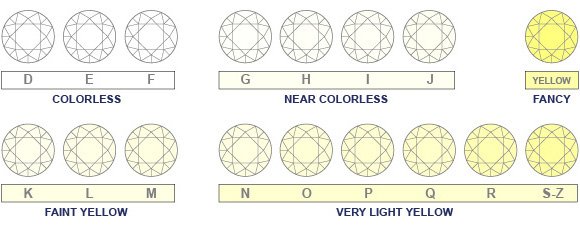
  • Diamond: Graded on a scale from D (Colorless) to Z (Light Color). A colorless “D” diamond is extremely rare and expensive.

  • Moissanite: Today’s Premium Moissanite is created in a lab to be perfectly Colorless (DEF range).

  • The Comparison: To the naked eye, a top-tier Moissanite looks just as icy white as a D-E-F color diamond, but without the premium price tag.

Clarity—— Flawless by Design

Clarity measures the internal imperfections, known as inclusions.

  • Diamond: Since diamonds are mined from the earth, most have natural inclusions. Flawless (FL) or Internally Flawless (IF) diamonds are incredibly rare and cost a fortune.

  • Moissanite: Because Moissanite is lab-grown in controlled environments, we have control over its quality.

  • The Advantage: Most Moissanite on the market falls into the VVS1 to VVS2 range (Very, Very Slightly Included). This means they are eye-clean and virtually flawless, offering a clarity that would cost thousands of dollars in a natural diamond.

The Verdict? If you want an ethical, durable gemstone that offers more fire, higher clarity, and better color for a fraction of the cost, Moissanite is the smart, modern choice.

Shopping Cart
What Our Clients Say
0 reviews